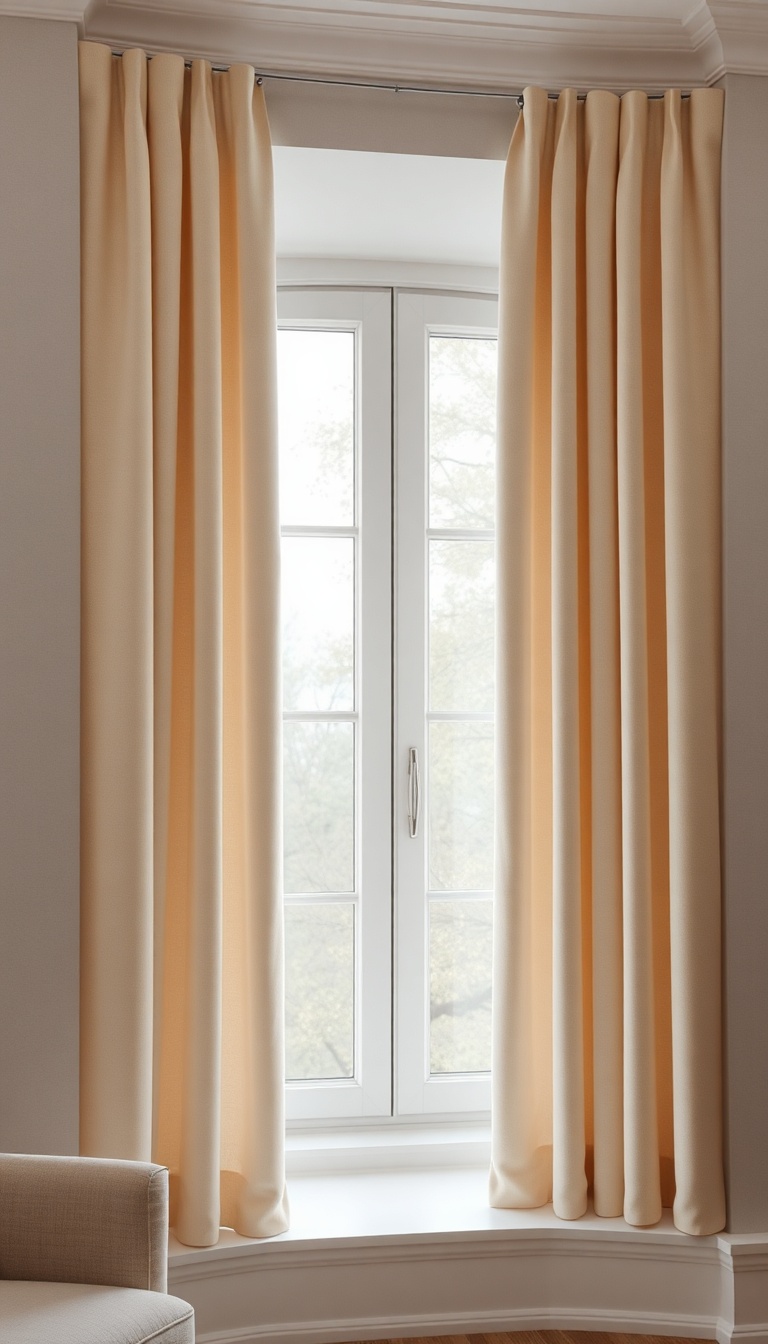
7 Small Living Room Layout Ideas to Maximize Space and Style
A small living room can present unique decorating challenges, but the right layout can make even the most compact space feel open, functional, and inviting. Whether you live in a small apartment, a cozy condo, or a modest-sized home, strategic furniture placement can dramatically improve both comfort and style.
The secret to designing a successful small living room is maximizing every square foot while maintaining good traffic flow and visual balance. By choosing the right arrangement, you can create a room that feels larger, more organized, and perfectly suited to your lifestyle.
In this guide, we’ll explore 7 small living room layout ideas that help you make the most of your available space without sacrificing beauty or functionality.
Why Choosing the Right Small Living Room Layout Matters
The layout of your living room affects how the space looks, feels, and functions. In smaller rooms, poor furniture placement can make the area feel cramped and cluttered. A thoughtful layout, however, can:
- Create the illusion of more space
- Improve movement throughout the room
- Maximize seating capacity
- Increase storage opportunities
- Enhance comfort and functionality
- Make the room feel brighter and more welcoming
Let’s explore the best layouts for small living rooms.
1. Classic Sofa and Coffee Table Layout
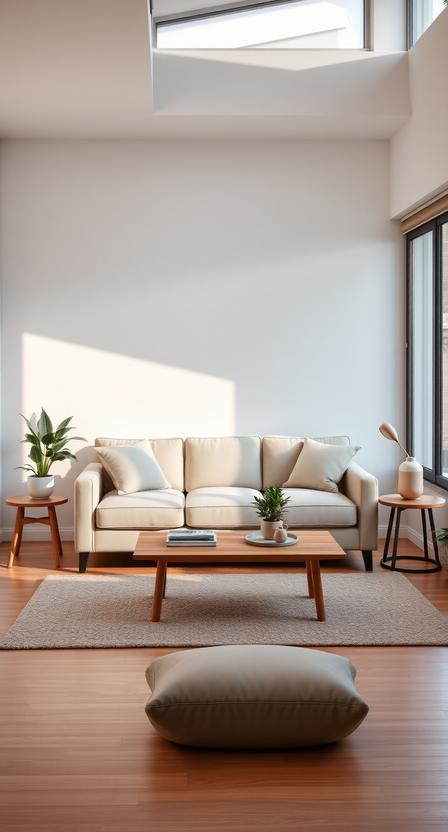
The classic sofa-and-coffee-table arrangement remains one of the most effective layouts for small living rooms.
How It Works
Place a sofa against the longest wall and position a coffee table directly in front of it. If space allows, add a slim accent chair opposite the sofa or in a corner.
Why It Works
This arrangement keeps the center of the room organized and provides a natural focal point. It works especially well in rectangular living rooms where maximizing floor space is important.
Design Tips
- Choose a sofa with exposed legs to create visual openness.
- Use a glass coffee table to reduce visual bulk.
- Select narrow side tables to conserve space.
This layout offers a comfortable gathering area while maintaining a clean and uncluttered appearance.
2. Floating Furniture Layout
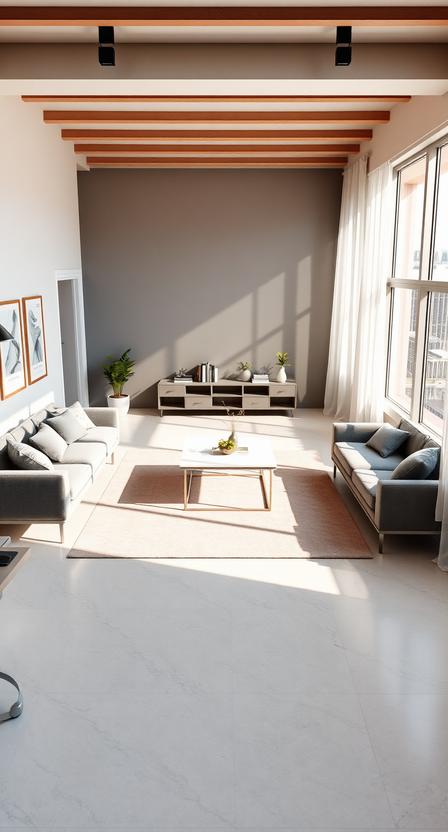
Contrary to popular belief, pushing every piece of furniture against the wall doesn’t always make a room feel larger.
How It Works
Position the sofa slightly away from the wall, leaving a few inches or even a foot behind it. Place an area rug underneath to define the seating zone.
Benefits
- Creates visual depth.
- Makes the room feel more intentional and stylish.
- Improves furniture balance.
- Enhances overall flow.
Design Tips
The space behind the sofa can accommodate a narrow console table, providing additional storage and display space without crowding the room.
A floating layout often makes a small living room appear larger because it adds dimension and creates clearly defined zones.
3. Corner Sectional Layout
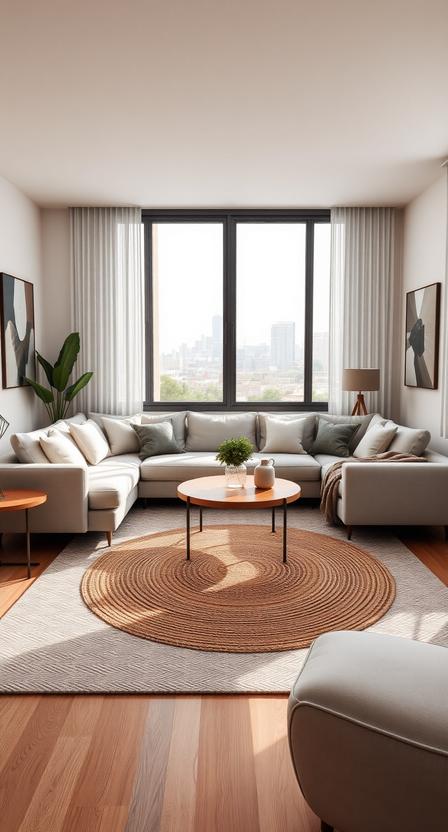
A sectional sofa isn’t just for large rooms. A compact L-shaped sectional can be an excellent solution for small living spaces.
How It Works
Position the sectional in a corner to maximize seating while utilizing otherwise underused space.
Why Homeowners Love It
- Provides ample seating.
- Eliminates the need for multiple chairs.
- Keeps the center of the room open.
- Creates a cozy and inviting atmosphere.
Design Tips
Pair the sectional with a round coffee table. Round furniture improves movement and softens the overall appearance of the room.
Choose a low-profile sectional to maintain an open and airy feel.
4. Multi-Functional Living Room Layout
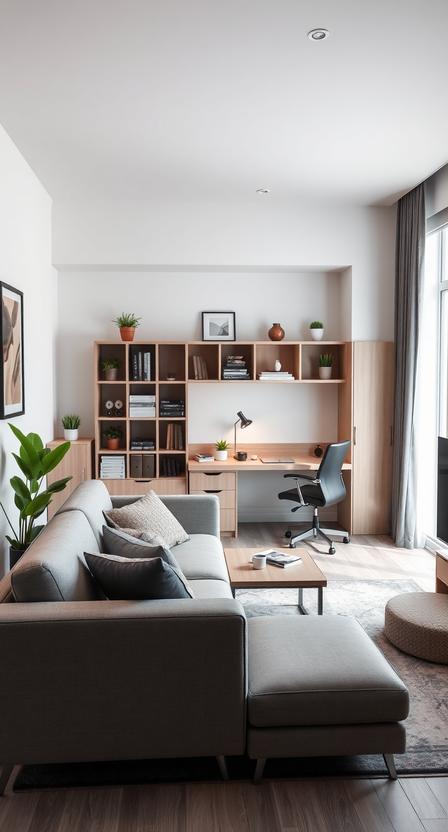
Modern homes often require rooms to serve multiple purposes. A living room may also function as a home office, study area, or dining space.
How It Works
Create separate zones using furniture placement rather than walls.
For example:
- A sofa and coffee table define the lounging area.
- A compact desk near a window serves as a workspace.
- A bookshelf creates subtle separation between zones.
Benefits
- Maximizes usability.
- Makes small homes more efficient.
- Keeps activities organized.
- Reduces clutter.
Design Tips
Use area rugs to visually separate different zones while maintaining an open floor plan.
This layout is ideal for apartments and small homes where every room needs to work harder.
5. Conversation-Focused Layout
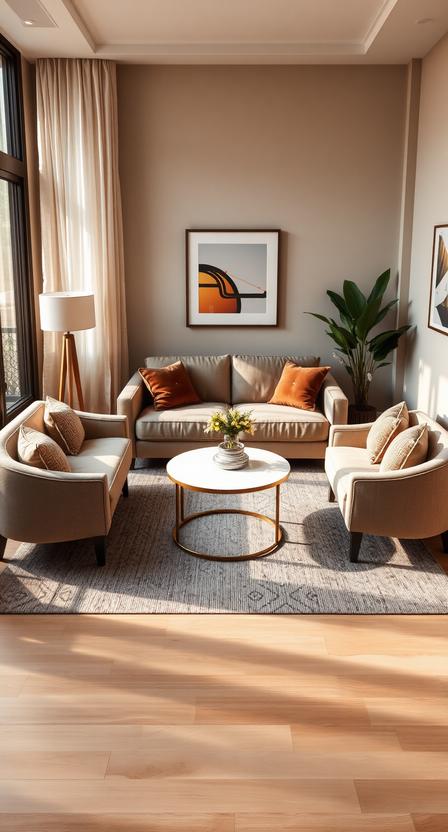
Not every living room needs to revolve around a television. A conversation-centered arrangement creates a warm and social environment.
How It Works
Arrange seating so that chairs and sofas face each other.
A typical setup may include:
- A loveseat
- Two accent chairs
- A small coffee table in the center
Why It Works
- Encourages interaction.
- Creates a welcoming atmosphere.
- Makes entertaining easier.
- Works well in square-shaped rooms.
Design Tips
Use lightweight chairs that can be easily moved when additional flexibility is needed.
This arrangement is perfect for homeowners who enjoy hosting family and friends.
6. Window-Focused Layout
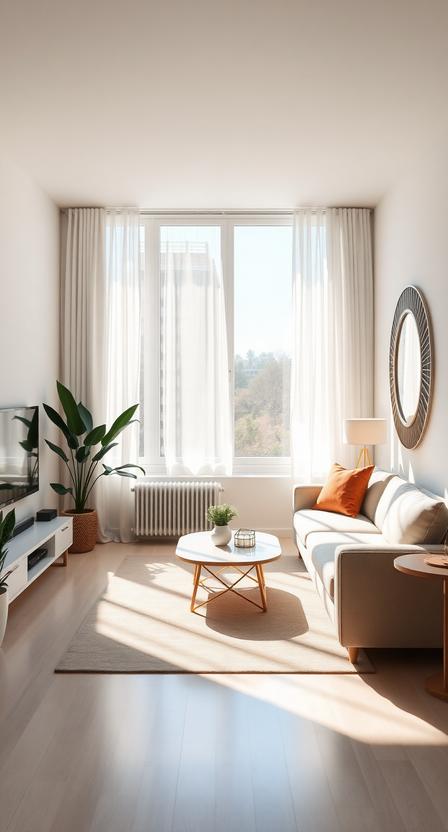
Natural light is one of the most powerful tools for making a small room feel larger.
How It Works
Arrange furniture to highlight the room’s largest window.
Position seating so that it faces or complements the natural light source rather than blocking it.
Benefits
- Enhances brightness.
- Makes the room feel larger.
- Creates a pleasant atmosphere.
- Improves visual openness.
Design Tips
- Avoid bulky furniture near windows.
- Choose sheer curtains to maximize sunlight.
- Incorporate mirrors to reflect natural light throughout the room.
A window-focused layout can dramatically transform the perception of space in a small living room.
7. Minimalist Small Living Room Layout
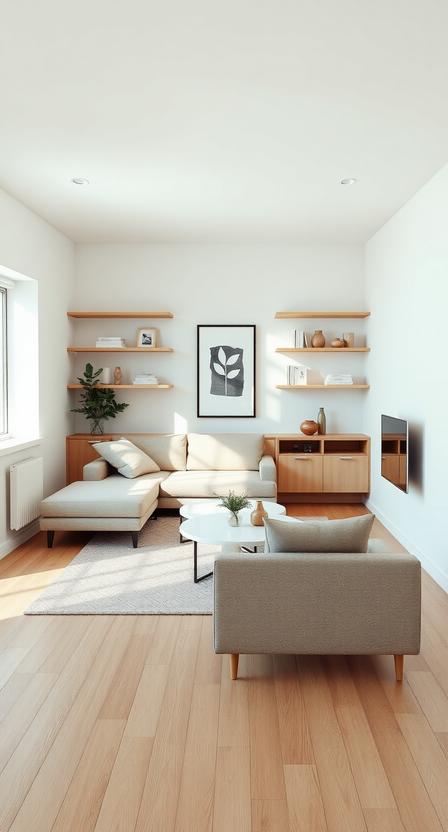
When space is limited, less is often more.
How It Works
Focus only on essential furniture pieces:
- Compact sofa
- Small coffee table
- One accent chair
- Minimal decor
Why It Works
- Reduces visual clutter.
- Creates an open feeling.
- Simplifies maintenance.
- Enhances modern aesthetics.
Design Tips
Choose furniture that serves multiple functions, such as:
- Storage ottomans
- Nesting tables
- Sofa beds
- Floating shelves
A minimalist layout allows the room to breathe and helps small spaces feel significantly larger.
Additional Tips for Small Living Room Success
Choose Light Colors
Light-colored walls and furniture reflect more light and make rooms feel spacious.
Popular choices include:
- Soft white
- Light gray
- Beige
- Pale taupe
Use Vertical Space
Install shelves higher on walls to draw the eye upward and maximize storage.
Incorporate Mirrors
Mirrors reflect light and create the illusion of depth, making a room appear larger than it actually is.
Select Multi-Purpose Furniture
Look for pieces that offer extra functionality, such as:
- Storage benches
- Lift-top coffee tables
- Sleeper sofas
- Modular furniture
Keep Walkways Clear
Maintain at least 24 to 30 inches of walking space whenever possible to improve comfort and flow.
Common Small Living Room Layout Mistakes to Avoid
Even the best furniture can feel awkward if the layout isn’t well planned.
Avoid these common mistakes:
- Using oversized furniture
- Blocking natural light
- Pushing every piece against the wall
- Overcrowding the room with decor
- Ignoring traffic flow
- Choosing bulky coffee tables
A well-designed small living room should feel balanced, comfortable, and easy to navigate.
Final Thoughts
Creating the perfect small living room doesn’t require more square footage—it simply requires smarter planning. These 7 small living room layout ideas demonstrate how strategic furniture placement can completely transform a compact space.
Whether you prefer a classic sofa arrangement, a cozy sectional setup, a conversation-focused design, or a minimalist approach, the right layout can maximize comfort while making your room appear larger and more stylish.