5 Living Room Designs for Small Spaces
Designing a small living room can feel like solving a puzzle—you want comfort, style, and functionality without making the space feel cramped. The good news? With the right approach, even the smallest living room can feel spacious, stylish, and welcoming. In this guide, we’ll explore 5 living room designs for small spaces that combine smart layouts, clever storage, and aesthetic appeal to transform your home.
1. Minimalist Living Room Design
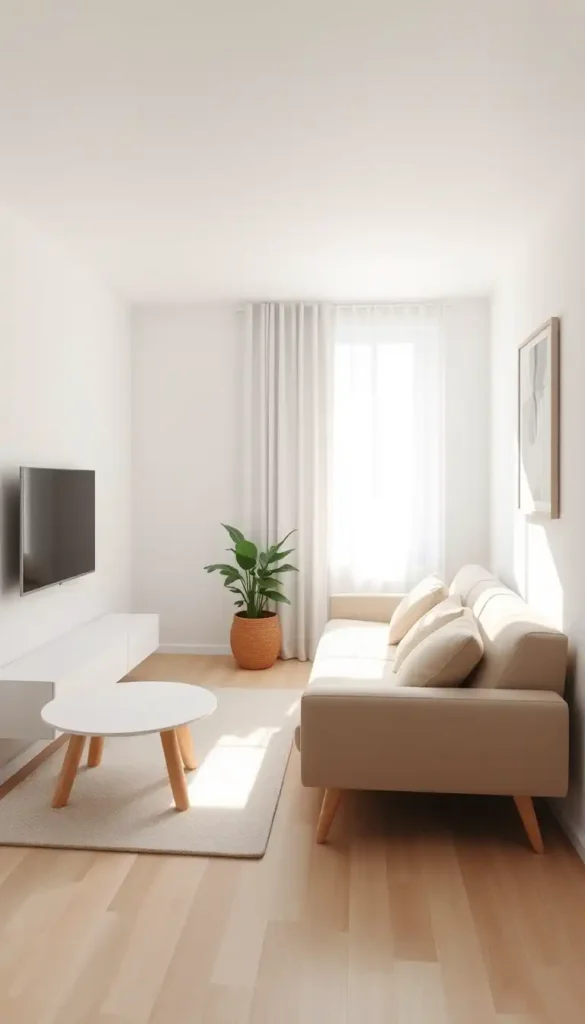
A minimalist design is one of the most effective ways to make a small living room feel larger and more organized. The key principle here is “less is more.”
Key Features:
- Neutral color palette (white, beige, soft gray)
- Clean lines and simple furniture
- Limited décor and clutter-free surfaces
- Functional furniture with hidden storage
Design Tips:
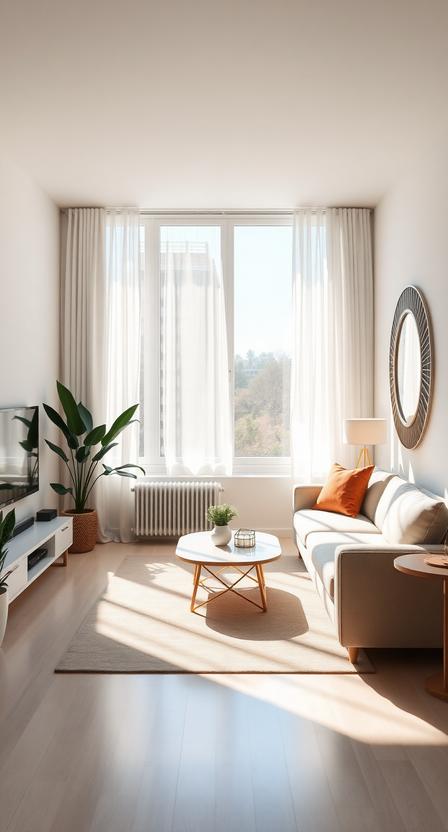
Start by decluttering your space. Only keep essential furniture pieces like a compact sofa, a small coffee table, and a sleek TV unit. Choose furniture with exposed legs to create a sense of openness.
Use light colors on walls and floors to reflect natural light and visually expand the space. Add a few carefully selected décor items such as a plant or a simple artwork to maintain visual interest without overwhelming the room.
Why It Works:
Minimalism reduces visual noise, making your living room appear bigger and more breathable. It’s perfect for people who love calm, clean, and modern interiors.
2. Multi-Functional Living Room Design
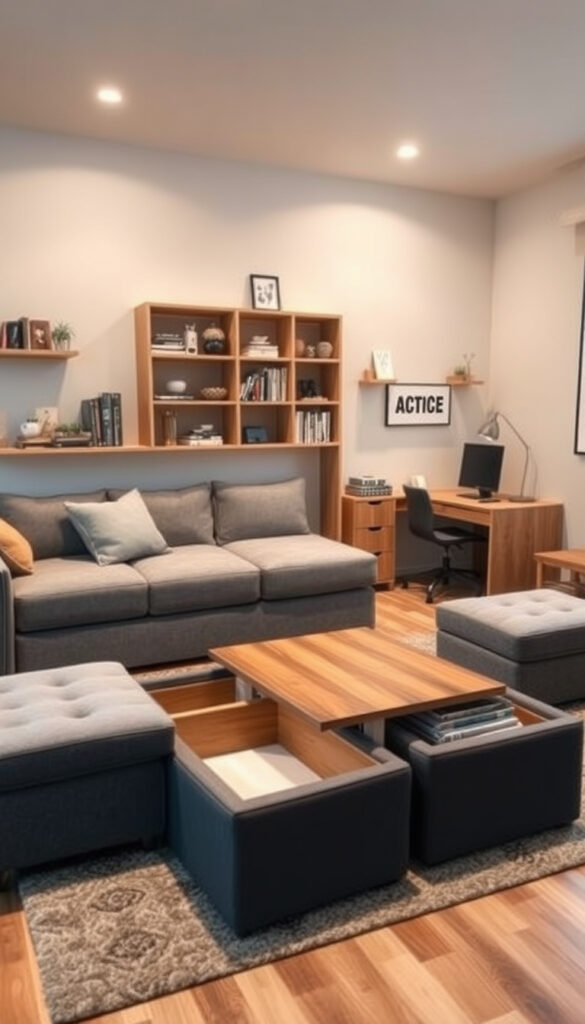
When space is limited, every piece of furniture should serve more than one purpose. A multi-functional design maximizes usability without sacrificing style.
Key Features:
- Sofa beds or futons
- Storage ottomans
- Foldable tables
- Wall-mounted desks or shelves
Design Tips:
Invest in furniture that adapts to your needs. For example, a sofa bed can double as a guest sleeping area, while a storage ottoman can serve as seating, a coffee table, and a storage unit.
Use vertical space by installing wall shelves or cabinets. This keeps the floor clear and gives the illusion of a larger room.
Why It Works:
This design ensures that no space is wasted. It’s especially useful for apartments or studio homes where the living room often serves multiple purposes.
3. Open-Concept Living Room Design
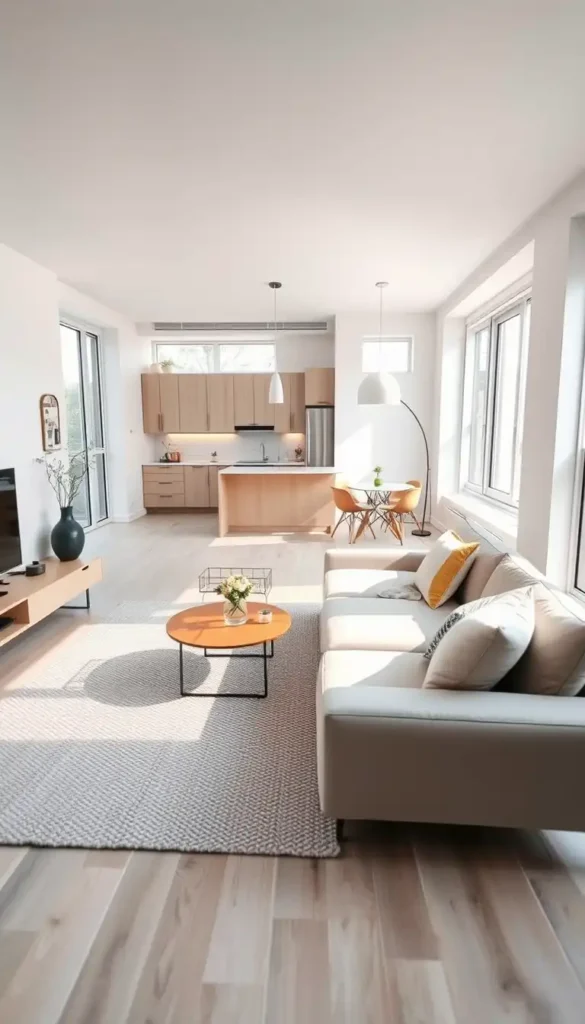
An open-concept layout removes unnecessary barriers and blends the living room with other areas like the dining room or kitchen.
Key Features:
- Seamless flow between spaces
- Consistent color scheme
- Minimal partitions
- Light and airy feel
Design Tips:
Use rugs or furniture placement to define different zones instead of walls. For example, place a rug under the sofa to visually separate the living area from the dining space.
Stick to a cohesive color palette across all connected areas to maintain harmony. Avoid bulky furniture that can interrupt the flow of the space.
Why It Works:
By eliminating walls and barriers, the room feels more expansive and less confined. It also improves natural light distribution throughout the space.
4. Vertical Space Living Room Design
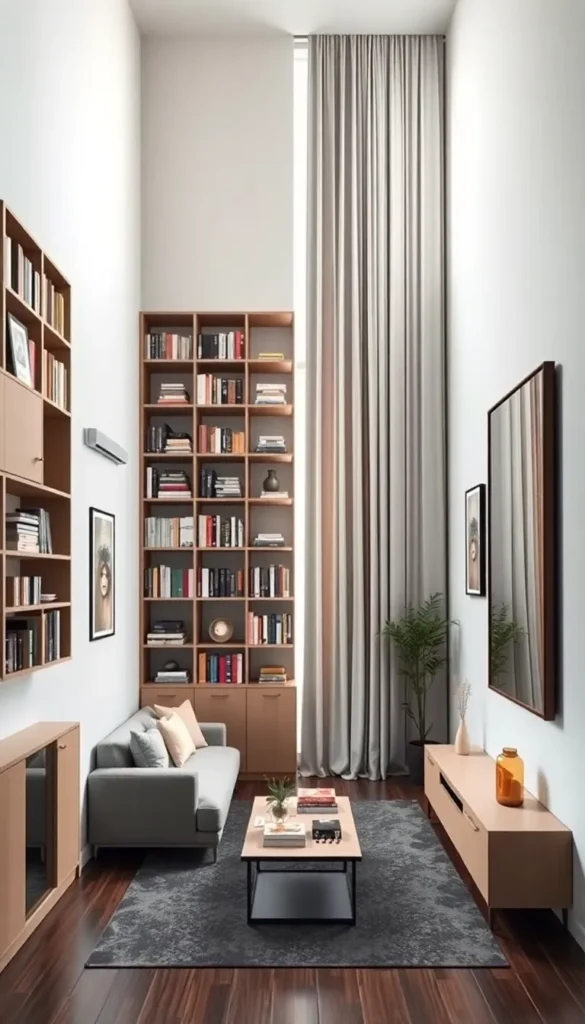
When floor space is limited, think upward. Utilizing vertical space is a smart way to add storage and style without crowding the room.
Key Features:
- Tall bookshelves
- Wall-mounted storage units
- Hanging décor
- Floor-to-ceiling curtains
Design Tips:
Install shelves that go up to the ceiling to maximize storage. Use them to display books, plants, and decorative items.
Hang curtains higher than the window frame to create the illusion of taller ceilings. You can also use vertical wall art or mirrors to draw the eye upward.
Why It Works:
This design makes the room feel taller and more spacious while providing additional storage solutions.
5. Cozy and Layered Living Room Design
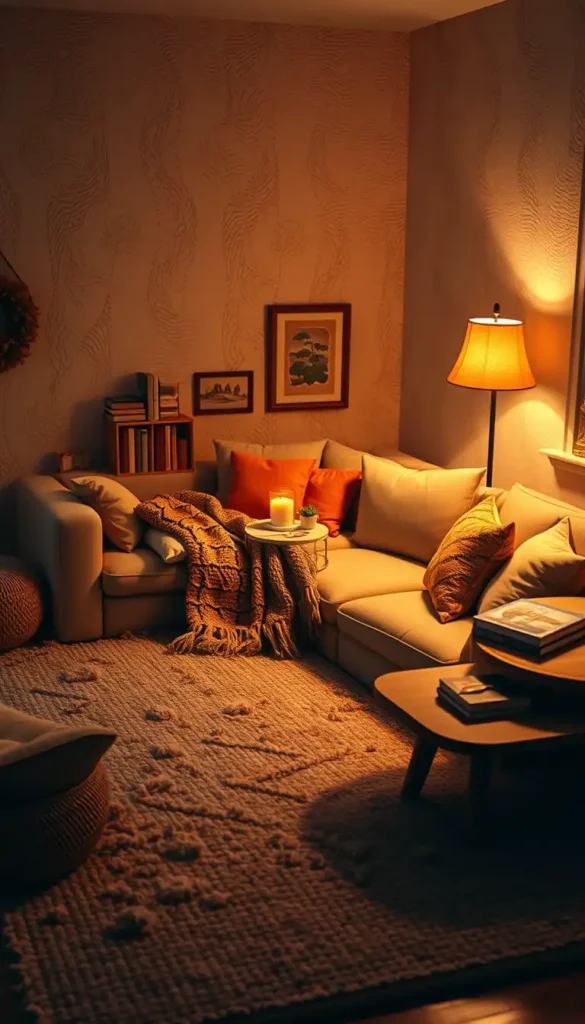
A small living room doesn’t have to feel limiting—it can be transformed into a cozy retreat with the right layering techniques.
Key Features:
- Soft textures (throws, cushions, rugs)
- Warm lighting
- Layered décor
- Personal touches
Design Tips:
Use a combination of textures to add depth and warmth. For example, pair a soft rug with plush cushions and a knitted throw.
Incorporate different lighting sources such as table lamps, floor lamps, and wall lights to create a warm ambiance.
Choose a compact sofa and complement it with a small armchair or pouf to create a comfortable seating arrangement.
Why It Works:
Layering adds character and warmth, making the space feel inviting rather than cramped. It’s ideal for those who prefer a homely and relaxed vibe.
Additional Tips for Small Living Rooms
Use Mirrors Strategically
Mirrors reflect light and create the illusion of depth. Place a large mirror opposite a window to maximize natural light.
Choose Light Colors
Light shades make a room feel more open, while dark colors can make it feel smaller. If you love dark tones, use them as accents instead.
Keep Furniture Proportional
Avoid oversized furniture. Opt for compact, streamlined pieces that fit the scale of your room.
Let in Natural Light
Avoid heavy curtains that block sunlight. Use sheer curtains or blinds to keep the room bright and airy.
Final Thoughts
Designing a small living room doesn’t mean compromising on style or comfort. By choosing the right approach—whether it’s minimalist, multi-functional, open-concept, vertical, or cozy—you can create a space that feels both practical and beautiful.
The key is to focus on smart furniture choices, thoughtful layouts, and a cohesive design strategy. With these 5 living room designs for small spaces, you can transform even the tiniest room into a stylish and functional living area that truly feels like home.