5 Clinic Interior Design Ideas for a Modern, Comfortable, and Trust-Building Space
Creating a well-designed clinic interior is no longer just about having clean walls and basic furniture. Today, patients expect a space that feels calming, professional, and trustworthy the moment they walk in. Good interior design can directly influence patient comfort, reduce anxiety, and even improve how people perceive the quality of medical care.
In this article, we will explore 5 clinic interior design ideas that can transform a simple medical space into a modern, welcoming, and efficient environment. Whether you are designing a dental clinic, general practice, dermatology center, or specialty clinic, these ideas will help you build a space that supports both patient experience and staff productivity.
Why Clinic Interior Design Matters
Before diving into the ideas, it’s important to understand why interior design plays such a critical role in healthcare spaces.
A clinic is often associated with stress, fear, or discomfort. Patients may already feel anxious about their health conditions. A thoughtfully designed interior can help reduce that emotional burden.
Good clinic design can:
- Build trust and credibility
- Improve patient satisfaction
- Reduce perceived waiting time
- Enhance staff workflow and efficiency
- Promote cleanliness and hygiene perception
Now let’s explore the top design ideas that can make a real difference.
1. Minimalist and Clean Design for a Stress-Free Environment
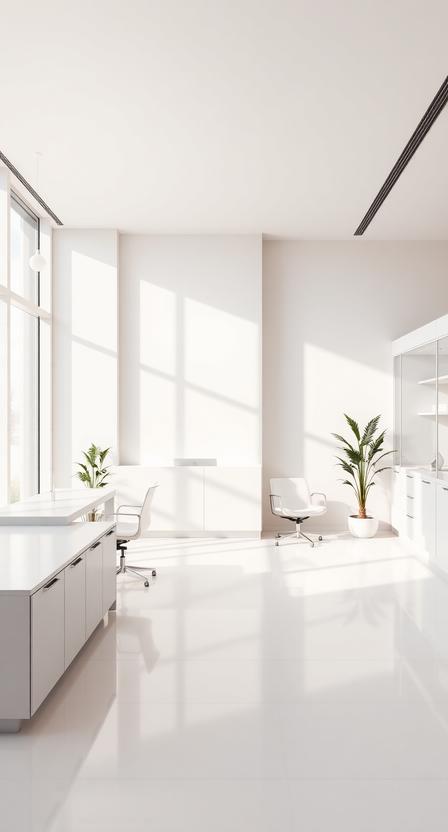
One of the most effective clinic interior design ideas is adopting a minimalist approach. A clean, clutter-free environment immediately communicates professionalism and hygiene.
Key Features:
- White, beige, or soft pastel color palettes
- Simple furniture with clean lines
- Hidden storage solutions to reduce clutter
- Smooth surfaces that are easy to sanitize
- Limited decorative elements
Minimalist design works especially well in healthcare because it avoids overwhelming the patient’s senses. Too many colors, patterns, or decorations can create visual noise, which increases anxiety.
A well-designed minimalist clinic feels open, airy, and organized. It gives patients the impression that everything is under control, which is exactly the feeling they need when seeking medical care.
2. Soothing Color Psychology to Reduce Patient Anxiety
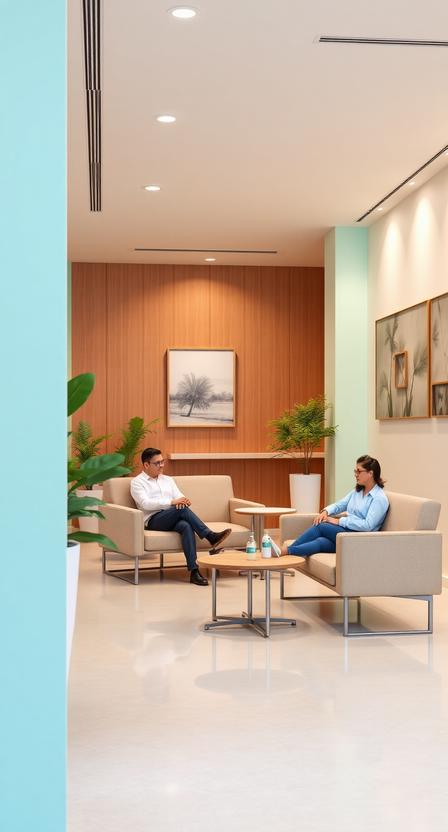
Color plays a powerful psychological role in shaping emotions. In clinic interiors, the right color palette can help calm patients and create a healing atmosphere.
Recommended Colors:
- Light blue (trust, calmness, stability)
- Soft green (healing, balance, nature)
- Warm beige (comfort, neutrality)
- Off-white (cleanliness, simplicity)
- Light gray accents (modern professionalism)
Avoid overly bright or harsh colors like neon red, intense orange, or dark black in large amounts, as these can feel intimidating or stressful in a medical environment.
Design Tip:
You can use color strategically:
- Walls: soft neutral tones
- Furniture: calming complementary shades
- Accent walls: light nature-inspired colors
When used correctly, color psychology can make your clinic feel more welcoming and less clinical, helping patients relax even before treatment begins.
3. Comfortable Waiting Area with Hospitality-Inspired Design
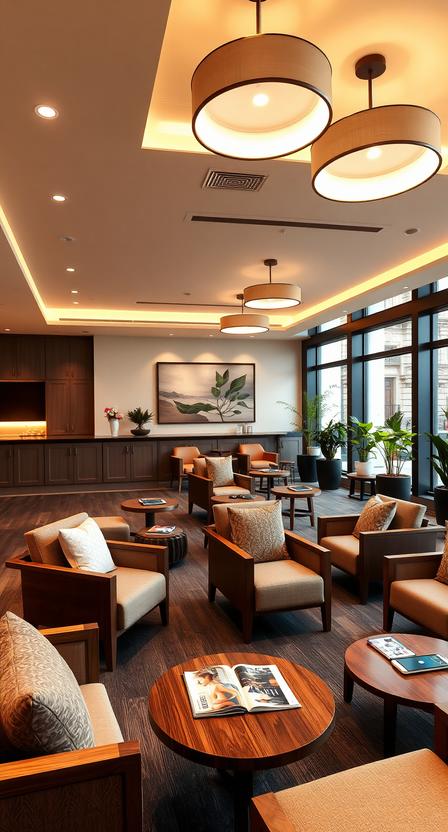
The waiting area is one of the most important parts of any clinic. It is where patients spend time forming their first impression of your practice.
A poorly designed waiting room can increase anxiety and dissatisfaction, while a well-designed one can improve overall experience significantly.
Essential Elements:
- Comfortable, cushioned seating with proper spacing
- Magazines, books, or digital screens for engagement
- Soft background music for relaxation
- Natural lighting or warm artificial lighting
- Small indoor plants for freshness
Hospitality Influence:
Modern clinic design often borrows ideas from hotels and lounges. Instead of a cold, hospital-like waiting area, the goal is to create a calm and welcoming environment.
Think of it like this: your waiting area should feel less like “waiting for treatment” and more like “relaxing in a professional lounge.”
Even small improvements like ergonomic chairs or wall art can significantly enhance patient comfort.
4. Smart Lighting Design for Comfort and Functionality
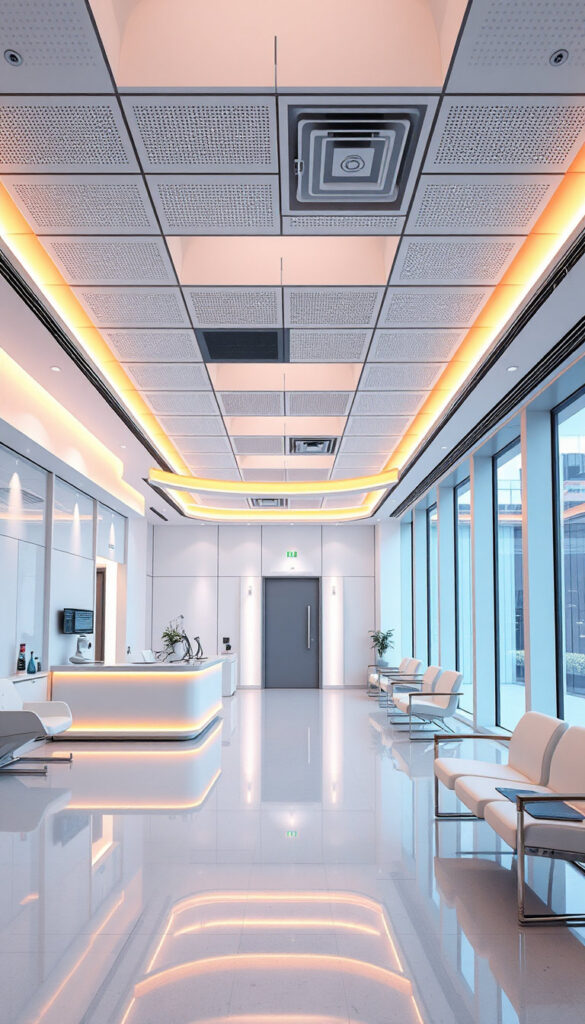
Lighting is one of the most overlooked but powerful elements in clinic interior design. Poor lighting can make a space feel dull, uncomfortable, or even stressful, while good lighting improves mood and visibility.
Types of Lighting to Use:
1. Natural Lighting
Whenever possible, maximize natural light through large windows or glass partitions. Natural light helps reduce stress and creates a positive atmosphere.
2. Ambient Lighting
Soft ceiling lights provide overall brightness without being harsh on the eyes.
3. Task Lighting
Focused lighting is essential in examination rooms, reception desks, and treatment areas.
Lighting Tips:
- Avoid overly bright white fluorescent lights
- Use warm white LED lighting for waiting areas
- Install dimmable lights where possible
- Balance brightness to avoid shadows and glare
Proper lighting not only improves aesthetics but also supports medical accuracy and staff performance. A well-lit clinic feels cleaner, safer, and more professional.
5. Functional Layout and Efficient Space Planning
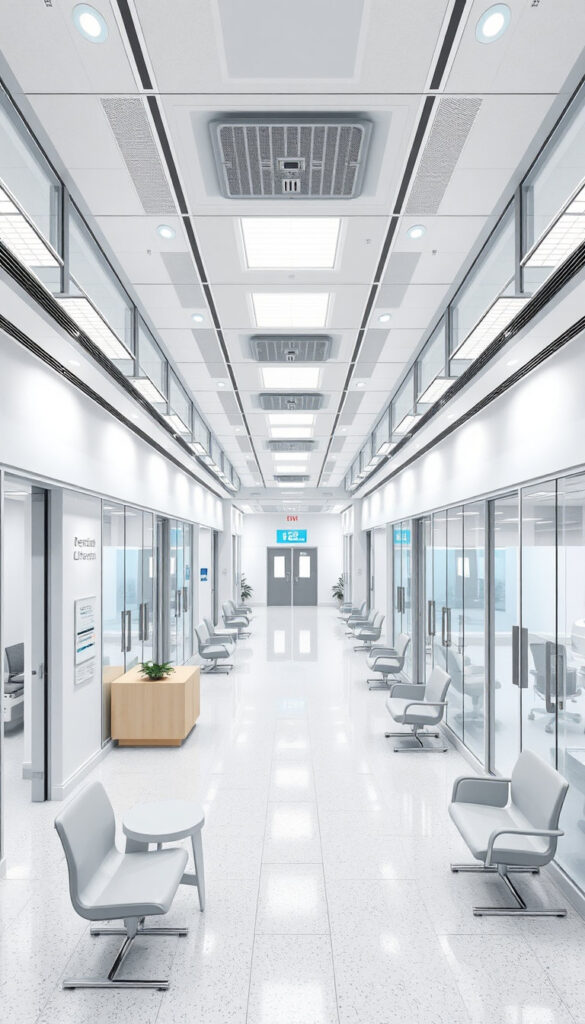
A well-designed clinic is not just about appearance—it must also function smoothly. Efficient space planning ensures that patients and staff can move easily without confusion or delays.
Key Layout Principles:
Separate Zones
Divide the clinic into clear zones:
- Reception area
- Waiting area
- Consultation rooms
- Treatment rooms
- Staff-only areas
Smooth Patient Flow
The layout should guide patients naturally from entry to exit without unnecessary backtracking or congestion.
Privacy Considerations
Ensure consultation rooms are soundproof or well-insulated to maintain confidentiality.
Space Optimization Tips:
- Use sliding doors instead of swinging doors in tight spaces
- Choose modular furniture for flexibility
- Keep corridors wide and unobstructed
- Use clear signage for easy navigation
A smart layout improves efficiency for staff and reduces confusion for patients. It also enhances safety and hygiene control within the clinic.
Bonus Tip: Incorporate Nature and Biophilic Design
Although not one of the main five, adding natural elements can significantly enhance your clinic’s atmosphere.
Ideas Include:
- Indoor plants in reception and waiting areas
- Nature-inspired wall art
- Wooden textures in furniture or flooring
- Small water features (if space allows)
Biophilic design has been shown to reduce stress and improve mental well-being, making it a perfect fit for healthcare environments.
Conclusion
Designing a clinic interior is about more than aesthetics—it is about creating a healing environment that supports both emotional comfort and professional efficiency.
These 5 clinic interior design ideas—minimalist design, calming color psychology, comfortable waiting areas, smart lighting, and functional layouts—can completely transform how patients experience your space.
A well-designed clinic builds trust, reduces anxiety, and enhances overall satisfaction. In a competitive healthcare environment, interior design is not just an option—it is a necessity.