6 Area Rugs in Living Room: Stylish Ways to Elevate Your Space
A living room is often the heart of the home, serving as a place to relax, entertain guests, and spend quality time with family. While furniture and wall décor play important roles in the overall design, area rugs can have an even bigger impact than many homeowners realize. The right rug arrangement adds warmth, texture, color, and structure to a room. For larger spaces or open-concept homes, using multiple rugs can create a designer-inspired look that feels both functional and inviting.
If you’re considering incorporating 6 area rugs in living room décor, you’ll discover that this approach offers endless opportunities to define zones, add personality, and create visual balance. Whether your style is modern, farmhouse, bohemian, traditional, or contemporary, these rug placement ideas can help transform your living room into a beautifully coordinated space.
Why Use Multiple Area Rugs in a Living Room?
Using several area rugs in a living room is more than just a decorative trend. It serves practical and aesthetic purposes that can significantly improve the room’s appearance.
Some benefits include:
- Defining different activity areas.
- Creating visual interest and depth.
- Adding texture and warmth.
- Protecting flooring from wear and tear.
- Making large spaces feel more intimate.
- Introducing color and pattern without overwhelming the room.
When carefully selected and arranged, multiple rugs work together to create a cohesive design that enhances the entire living space.
1. Create a Central Seating Area
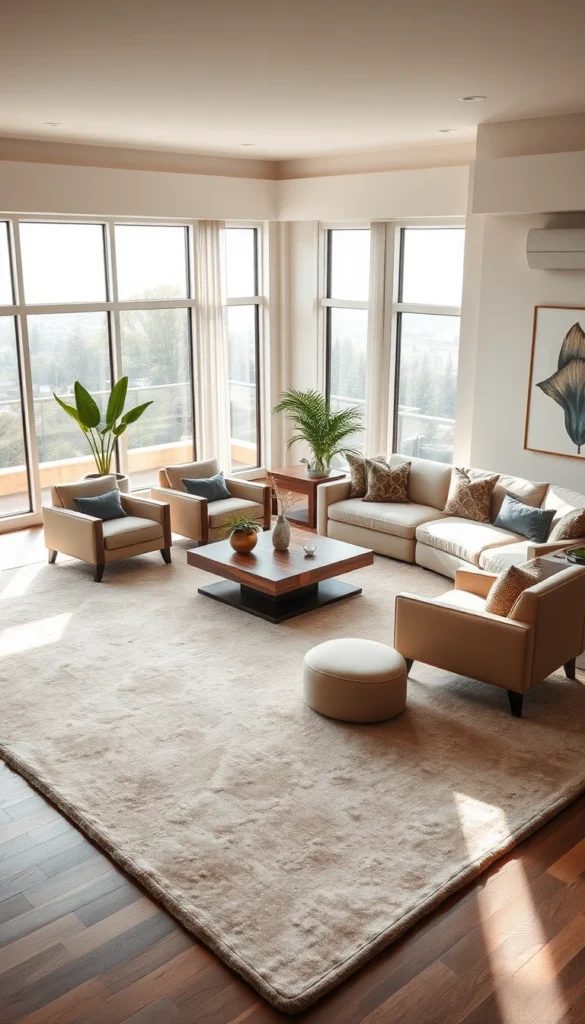
The first rug should anchor your main seating arrangement. Place a large area rug underneath the sofa, coffee table, and accent chairs to establish the room’s focal point.
A properly sized rug helps tie furniture pieces together and prevents the room from feeling disconnected. Ideally, the front legs of your sofa and chairs should rest on the rug to create a unified appearance.
For modern interiors, choose neutral tones like beige, gray, or ivory. Traditional spaces often benefit from intricate patterns or Persian-inspired designs.
Benefits of a Central Rug
- Creates a focal point.
- Adds comfort underfoot.
- Defines the primary gathering area.
- Makes furniture arrangements feel intentional.
2. Add a Rug Beneath a Reading Nook
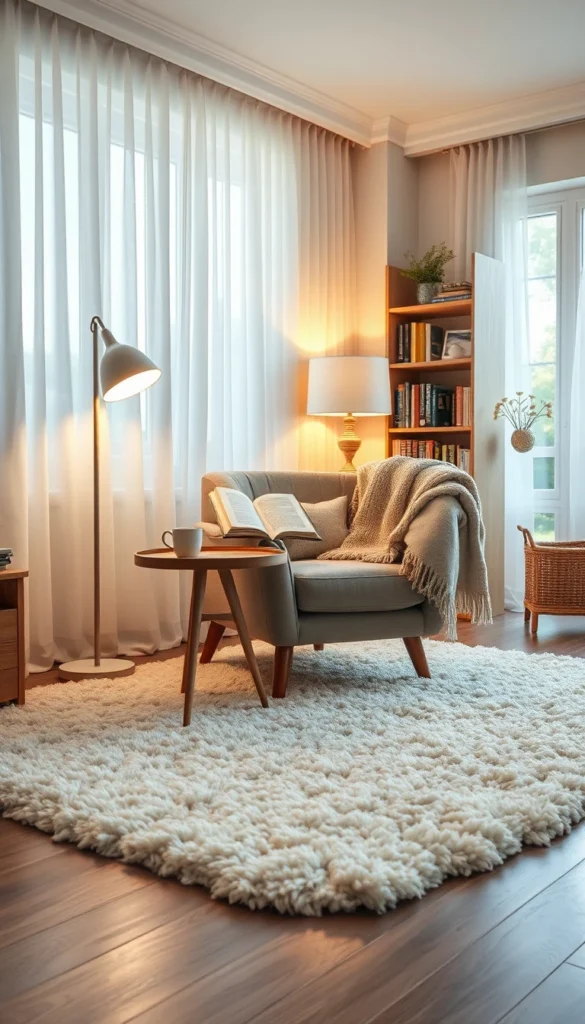
If your living room includes a reading corner, a separate rug can help distinguish this cozy retreat from the rest of the space.
Position a comfortable chair, floor lamp, and small side table on top of a medium-sized rug. This instantly creates a dedicated area for reading, relaxing, or enjoying a morning coffee.
Textured rugs such as wool, shag, or braided styles work especially well in reading nooks because they add warmth and softness.
Best Rug Choices for Reading Areas
- Plush shag rugs
- Wool area rugs
- Natural fiber rugs
- Soft geometric patterns
3. Define a Conversation Zone
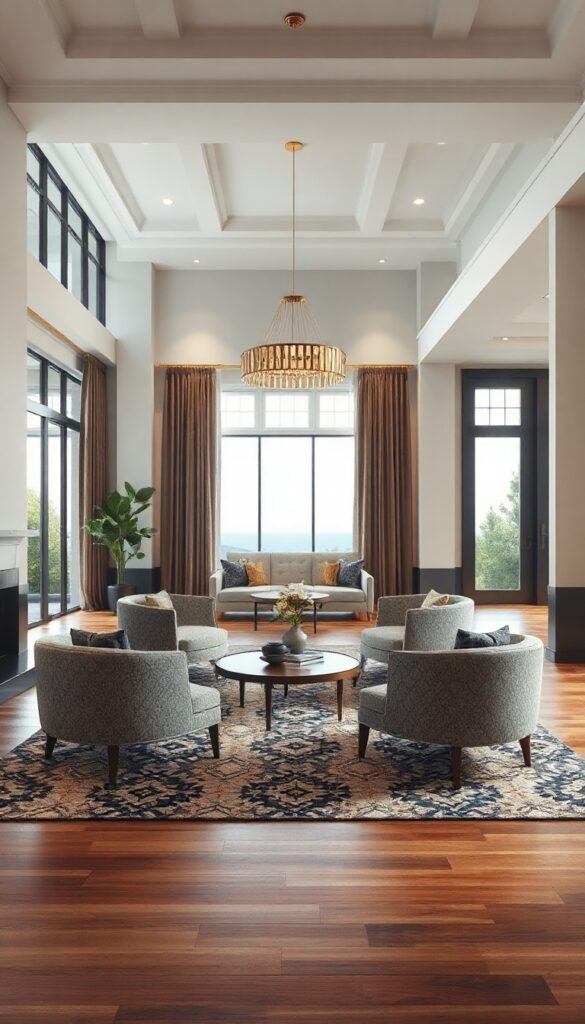
Large living rooms often have enough space for an additional seating arrangement. A third rug can define a conversation area separate from the main television viewing section.
Arrange a pair of chairs and a small table atop a rug to create an intimate setting for conversations. This layout works particularly well in open-concept homes where multiple functions share the same room.
Choose a rug that complements the primary rug while offering slight contrast in color or pattern to maintain visual interest.
Design Tips
- Keep color palettes coordinated.
- Use similar rug materials for consistency.
- Leave sufficient walking space between zones.
4. Highlight a Fireplace Area
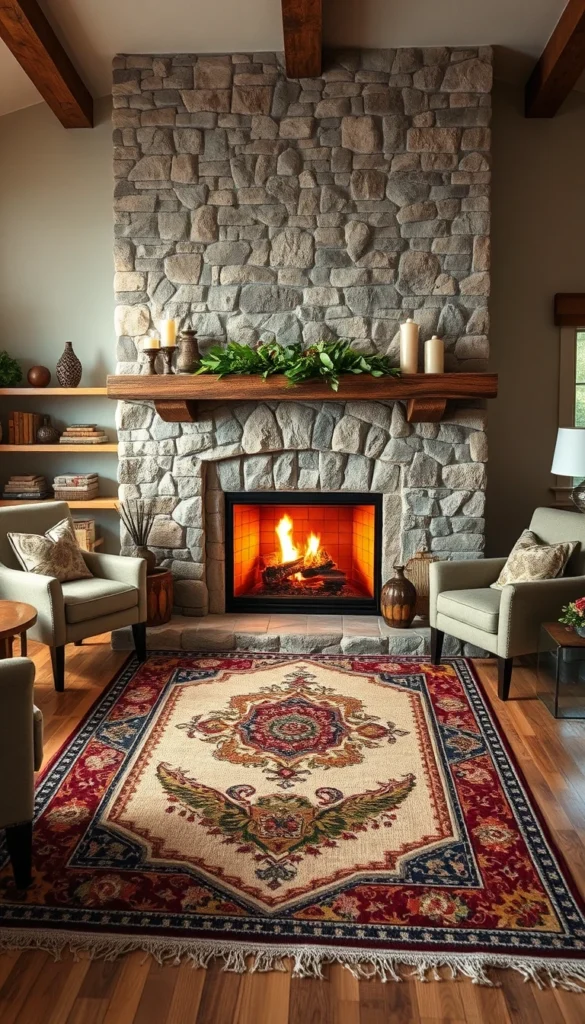
A fireplace naturally attracts attention, making it an ideal place for another area rug.
Position a smaller rug in front of the fireplace to enhance its role as a focal point. This rug can complement your main rug while introducing additional texture or color.
For rustic or farmhouse-inspired living rooms, consider natural jute rugs. In more elegant settings, traditional patterned rugs can enhance the room’s sophistication.
Why This Works
- Draws attention to architectural features.
- Adds visual warmth.
- Creates a cozy atmosphere around the fireplace.
5. Place a Rug Under a Game or Activity Table
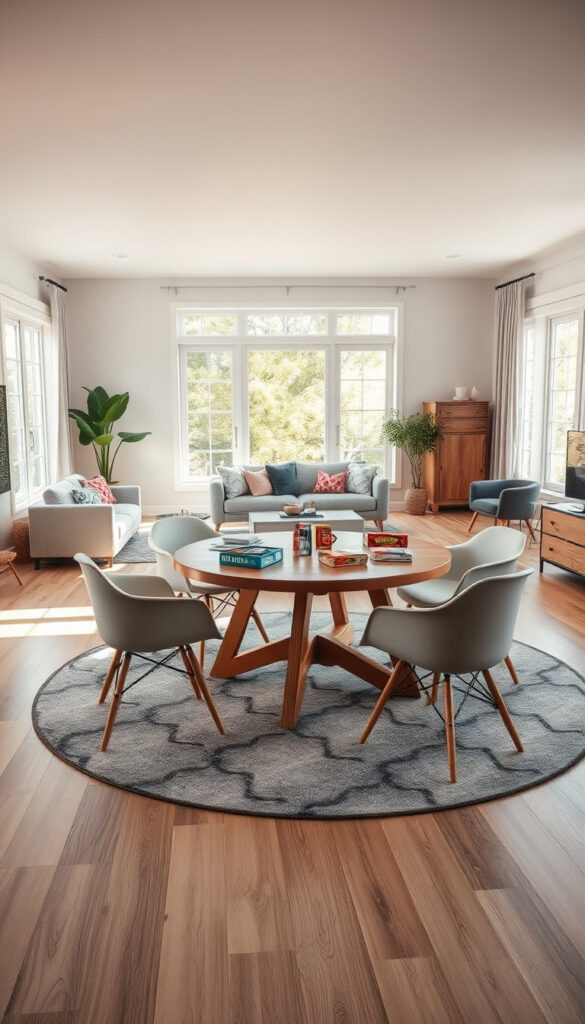
Many spacious living rooms include a game table, craft area, or workspace. A fifth rug can define this functional zone while protecting the flooring from furniture movement.
Choose a durable rug material that can withstand frequent use. Low-pile rugs are excellent choices because chairs can move easily across their surface.
Patterned rugs also help conceal everyday wear and minor stains, making them practical for active households.
Recommended Materials
- Synthetic blends
- Flatweave rugs
- Low-pile wool rugs
- Indoor-outdoor rugs
6. Use a Decorative Accent Rug
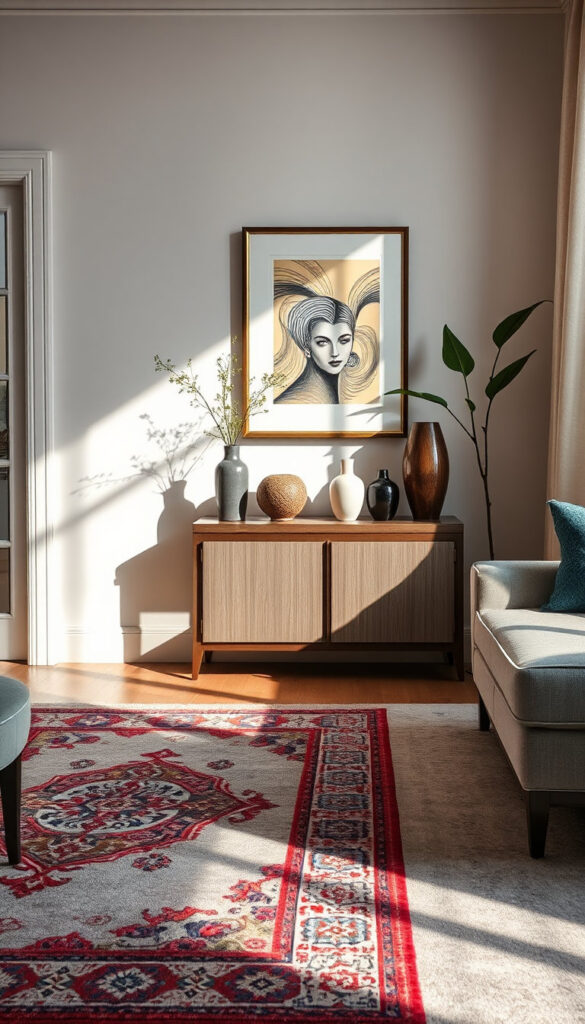
The sixth rug serves as a finishing touch that adds character and personality to the room.
This rug may be smaller than the others and placed near an entry point, beside a console table, or layered over a larger neutral rug for added dimension.
Accent rugs offer the perfect opportunity to experiment with bold colors, unique textures, or eye-catching patterns.
Popular Accent Rug Styles
- Vintage-inspired designs
- Moroccan patterns
- Abstract modern prints
- Colorful bohemian rugs
How to Coordinate Multiple Rugs Successfully
Using six rugs in a living room requires thoughtful coordination to avoid a cluttered appearance. The goal is to create harmony while still allowing each rug to contribute something unique.
Stick to a Consistent Color Palette
Choose rugs that share at least one or two common colors. This helps create visual flow throughout the room.
For example:
- Beige, cream, and gray combinations.
- Navy and ivory pairings.
- Earth-tone palettes featuring brown, rust, and tan.
Mix Patterns Carefully
Combining patterns can add interest, but balance is essential. If one rug features a bold design, pair it with subtler patterns elsewhere in the room.
A good approach is to vary pattern scales:
- Large-scale patterns on one rug.
- Medium-scale patterns on another.
- Solid or lightly textured rugs in remaining areas.
Vary Textures
Texture adds depth and prevents the room from feeling flat.
Consider combining:
- Wool rugs
- Jute rugs
- Shag rugs
- Flatweave rugs
This layered approach creates a rich and inviting environment.
Choosing the Right Rug Sizes
Proper sizing is critical when using multiple rugs.
Large Rugs
Use larger rugs beneath main furniture groupings.
Common sizes include:
- 8′ x 10′
- 9′ x 12′
- 10′ x 14′
Medium Rugs
Perfect for reading corners and conversation zones.
Popular sizes include:
- 5′ x 7′
- 6′ x 9′
Small Accent Rugs
Ideal for decorative purposes.
Typical sizes include:
- 3′ x 5′
- 4′ x 6′
Selecting the right sizes ensures that each rug serves its intended purpose without overwhelming the space.
Common Mistakes to Avoid
When decorating with multiple rugs, avoid these common errors:
Using Too Many Competing Patterns
Excessive patterns can make the room feel chaotic. Balance bold rugs with neutral options.
Ignoring Scale
Tiny rugs in large rooms often appear out of place. Choose sizes appropriate for the furniture and room dimensions.
Overcrowding the Space
Leave sufficient floor space visible between rugs to maintain an open, airy feel.
Choosing Unrelated Colors
A cohesive palette helps unify the entire design.
Final Thoughts
Incorporating 6 area rugs in living room décor is an excellent way to add style, comfort, and functionality to your home. By thoughtfully placing rugs throughout different zones, you can create a space that feels organized, welcoming, and professionally designed.
Whether you’re defining a seating area, creating a reading nook, highlighting a fireplace, or adding decorative accents, multiple rugs allow you to personalize your living room while enhancing its overall flow. Focus on coordinating colors, textures, and sizes to achieve a balanced look that reflects your personal style.